


Posted on December 12, 2025

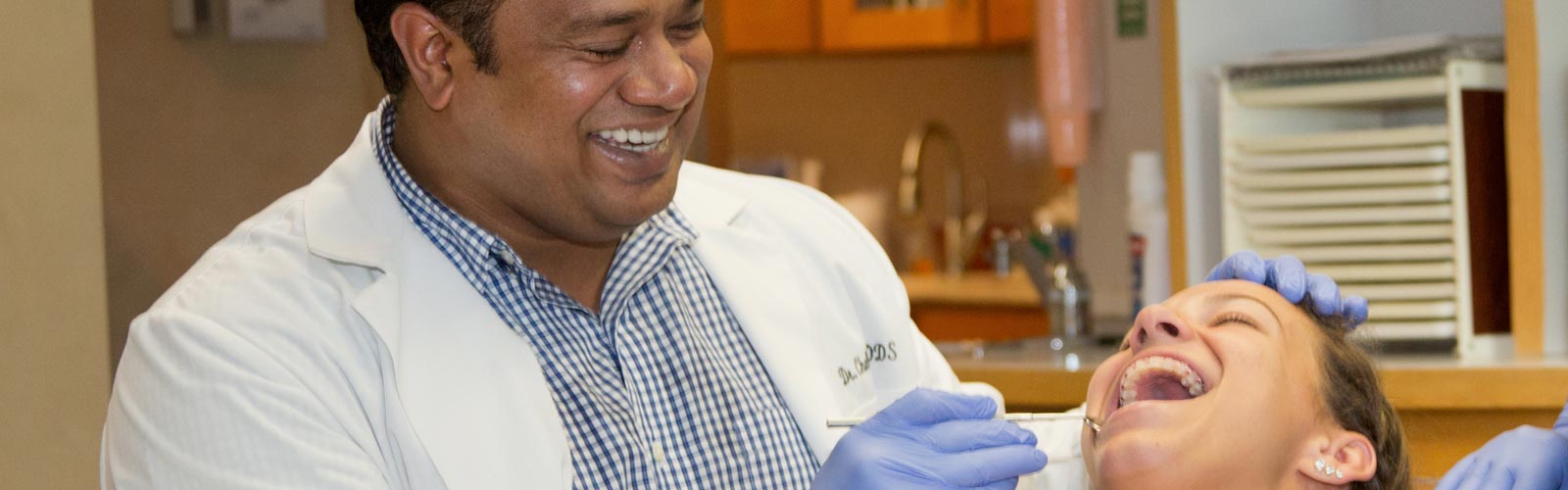
Nashua, NH – Orthodontic treatment does much more than provide a prettier smile – it works to create a harmonious bite and improve your oral health. And sometimes, the issues that need correcting aren’t readily visible. Some people may think they don’t require treatment, and others may think they only need braces on the top or bottom to correct a visible issue. Dr. Chelian of Chelian Orthodontics explains why braces are typically always placed on both the top and bottom teeth and what you should know.
“It may seem simple and logical to only fix the teeth that other people are actually going to see,” says Dr. Chelian. “But orthodontic treatment isn’t just about aesthetics – it’s about ensuring your mouth can work properly to preserve your oral health.”
Orthodontic treatment looks at straightening teeth, but also at correcting malocclusions to ensure the jaws fit together properly. This protects your smile from future damage. While many people who undergo orthodontic treatment may have a malocclusion that can be seen by others, such as severe crowding, spacing, or a severe overbite, others might be less noticeable.
For instance, a crossbite may only appear in the back of the teeth. A crossbite occurs when the upper teeth fit inside the lower teeth. Crossbites can cause issues with speaking and chewing. Jaw pain can also occur, and the teeth can experience uneven wear that can make them more susceptible to chipping, cracking, or breaking.
Having braces placed on both the top and bottom teeth is important for several reasons, including:
It is not uncommon, however, for some patients to receive their top braces first, and then visit the orthodontist a few weeks later to have their top braces placed. This might happen for a few reasons:
“Treating only one arch can have unintended consequences on the other arch,” says Dr. Chelian. “Your orthodontist has to consider the bite and smile as a whole when creating a treatment plan that will provide you with your ideal smile.”
The goal of orthodontic treatment is to create a beautiful smile in which the teeth and jaws are properly aligned to ensure ideal oral function and oral health. Orthodontic treatment not only corrects visible issues but also enhances the ability to speak and chew properly, maintain oral hygiene, and reduce the risk of future oral health concerns. By addressing both functional and aesthetic issues, orthodontic treatment can improve a patient’s oral health and confidence.
29 Riverside Street,Nashua, NH 03062603-882-6100
142 Brimbal Avenue, Ste 3,Beverly, MA 01915978-774-8266